GCWA welcomes new funding for safer waterways
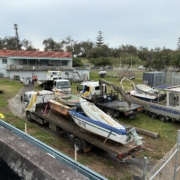
GCWA has welcomed the Crisafulli Government’s $15 million Keeping Our Waterways Safe program — a significant investment to support the removal of abandoned and derelict vessels across Queensland.
The funding recognises the growing challenge of managing abandoned property and ensuring safe access to the state’s waterways.
On the Gold Coast, GCWA works closely with Maritime Safety Queensland (MSQ) to identify, monitor, and remove these vessels — a critical part of keeping local waterways clean, safe, and accessible for all users.
Between April and June 2025, GCWA:
- Monitored 173 vessels
- Issued 35 removal notices
- Removed 5 vessels
- Resolved 20 abandoned vessel reports
- Resolved 7 abandoned pontoons
This proactive compliance work helps reduce environmental harm, improve navigational safety, and ensure waterways remain open for recreational, commercial, and cultural use.
GCWA CEO Chris Derksema said “This program is a major step forward for marine safety in Queensland. We’re proud of the work we do locally and welcome the opportunity to continue collaborating with MSQ and others to support a safe, shared, and sustainable future for our waterways.”
GCWA will continue working in partnership with the Queensland Government and local stakeholders to protect and enhance the region’s iconic waterways for current and future generations.